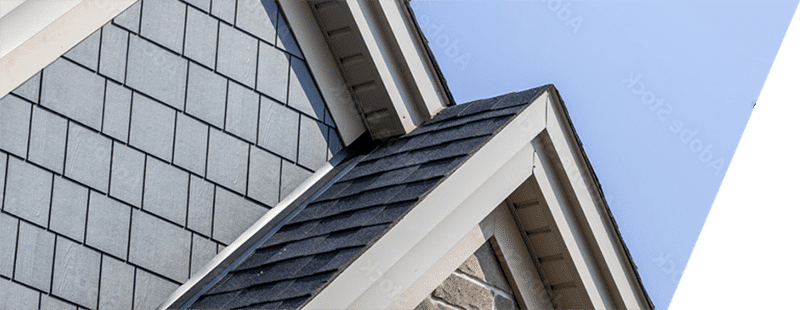
A rotting overhang is often the first sign of significant moisture damage to your home’s exterior. In the humid climate of Louisiana, specifically around Gonzales and Baton Rouge, wooden components like soffits and fascia boards are prone to decay if water isn’t diverted properly. You can identify this issue by looking for peeling paint, soft wood, or dark water stains on the underside of your roof’s edges. Addressing a rotting overhang immediately prevents water from entering your attic or damaging your interior walls. If you notice crumbling wood or persistent dampness, it is time to seek professional repairs to maintain your home’s structural integrity.
Why Is Your Rotting Overhang A Problem For Your Home?
The overhang of your roof serves as a vital shield for your siding and foundation. When you have a rotting overhang, that protective barrier is compromised. Moisture from Louisiana rainstorms can seep into the wooden rafters, leading to mold growth and wood-destroying fungi. This decay attracts pests like carpenter ants or termites that thrive in damp environments.
A damaged roof edge also impacts your home’s ventilation. The soffit, which is the underside of the overhang, often contains vents that allow your attic to breathe. When rot sets in, these vents can become blocked or the wood can sag, trapping heat and moisture in your attic space. This creates a cycle where the heat from the attic further damages the roof shingles above, leading to even more leaks.
How Can You Tell If Your Roof Overhang Needs Attention?
Identifying wood decay early can save you from a full roof replacement. You should walk around your property in Gonzales or Baton Rouge at least twice a year to inspect the perimeter of your roof. Look for these specific signs of trouble:
- Peeling or Flaking Paint: Paint acts as a seal for the wood. When water gets behind the paint, it causes the coating to bubble and peel away, leaving the raw wood vulnerable to the elements.
- Visible Fungi or Mold: If you see green, black, or white fuzzy patches on the wood, moisture is present and active decay is likely occurring.
- Soft or Spongy Wood: You can safely test suspicious areas with a screwdriver or a similar tool. If the wood feels soft or the tool sinks in easily, the internal fibers are already breaking down.
- Discolored Patches: Dark brown or gray stains often indicate that water is pooling in that area rather than shedding off the roof.
- Crumbled Edges: Check the corners where two boards meet. If the wood looks like it is disintegrating or falling away in small chunks, the rot is advanced.
Pro Tip: Check your gutters while inspecting the overhang. Clogged gutters are the number one cause of rot because they force water to back up against the wooden fascia boards.
What Causes The Wood On Your Roof To Decay?
The primary culprit for a rotting overhang is improper water drainage. In many Louisiana homes, gutters that are improperly pitched or filled with debris allow water to sit against the fascia. Over time, this constant contact softens the wood. Another common cause is the lack of a drip edge. A drip edge is a metal flashing installed at the edge of the roof that directs water into the gutters and away from the wood. Without it, water follows the curve of the shingles and runs directly down the face of your overhang.
Storm damage also plays a role. High winds can lift shingles or damage flashing, allowing rainwater to penetrate the underside of the roof structure. Once the wood stays damp for an extended period, spores naturally found in the air begin to feed on the cellulose, leading to the structural failure of the overhang.
When Should You Hire Professionals For Roof Repairs?
While some homeowners feel comfortable cleaning gutters, repairing a rotting overhang is a complex task that involves structural components. You should call for professional assistance if you notice any of the following:
- Large Sections of Damage: If the rot extends across more than a few feet of the roofline, it likely involves the ends of the rafters.
- Gutter Detachment: If your gutters are pulling away from the house, the wood behind them is likely too soft to hold the hardware.
- Interior Leaks: If you see water stains on your ceiling or inside your walls, the rot has progressed past the exterior and into the home’s envelope.
- Height Concerns: Working on a ladder to reach second-story overhangs is dangerous without the proper safety equipment and training.
Professionals have the tools to remove the decayed sections without compromising the rest of the roof. They can also identify if the underlying cause is a roofing failure or a simple siding issue, ensuring the repair lasts for years.
Can A Rotting Overhang Affect Your Siding And Paint?
Yes, the health of your roof’s overhang is directly tied to the condition of your siding and paint. When the overhang is compromised, it can no longer shed water away from the walls of your house. This leads to “sheeting,” where massive amounts of water run down your siding during every rainstorm. In Baton Rouge and Gonzales, this extra moisture can lead to streaks on your siding, premature paint failure, and even rot in the window frames below.
Maintaining the overhang ensures that your entire exterior stays dry. By keeping the wood solid and the paint sealed, you protect the investment you have made in your home’s curb appeal and structural health.
Important Note: Ignoring small spots of rot will only lead to more expensive repairs later. Wood decay spreads like a biological infection and will not stop until the moisture source is removed and the damaged wood is replaced.
How Do Professionals Repair A Damaged Roof Edge?
When you call a team to handle a rotting overhang, the process is thorough. First, the pros will remove the gutters to access the fascia board. They then carefully cut away the rotted sections of the soffit and fascia. If the rafter tails are damaged, they may need to “sister” new wood to the existing rafters to provide a solid surface for the new boards.
Once the structural wood is replaced, they install new, rot-resistant materials. This often includes high-quality wood or composite materials that handle the Louisiana humidity better than standard pine. The final steps include sealing the joints, applying professional-grade paint, and ensuring the drip edge is positioned correctly to prevent the problem from returning.
Get Expert Help From B&H Construction
Is your home showing signs of wood decay? At B&H Construction, we know what it’s like to need fast, reliable help for your home. We bring over 10 years of experience and a crew of licensed pros who care about doing it right the first time. Whether it is your roof, siding, or paint, we handle every detail professionally and with a smile. We serve homeowners in Gonzales, Louisiana, and Baton Rouge, Louisiana, along with all the nearby areas.
Don’t let a small rot problem turn into a major structural headache. We are ready to restore your home’s exterior to its best condition.
Give us a call today at (225) 406-7003 to schedule an inspection and get your roof back in top shape.